|
Hunan, a province in China, has experienced a significant increase in both outbound and inbound travel. This trend can be attributed to several economic factors.
Firstly, the rise in disposable income among Hunan's residents has enabled more people to afford travel. As the province's economy grows, driven by sectors like manufacturing, agriculture, and services, the average household income increases, allowing residents to spend more on leisure activities such as travel.
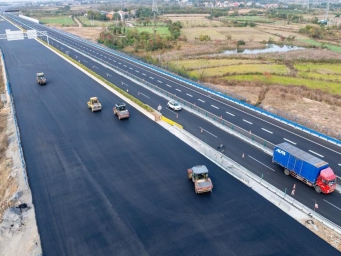
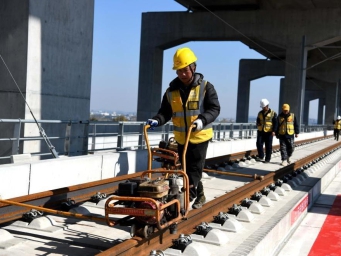
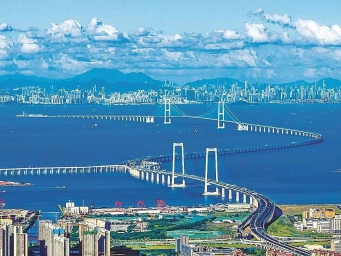
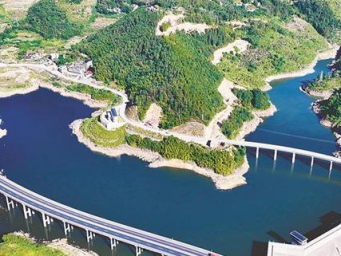
Secondly, improvements in transportation infrastructure have made it easier for people to travel. The development of airports, highspeed rail networks, and highways within Hunan and connecting it to other parts of China and beyond have reduced travel time and costs, thereby stimulating demand for travel.
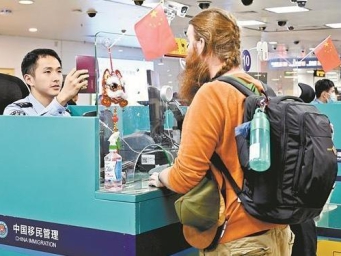
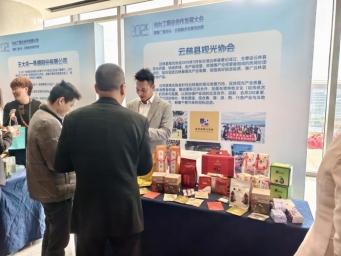
Thirdly, the Chinese government's promotion of tourism as a key industry contributes to this growth. Initiatives to encourage domestic tourism, alongside efforts to attract international travelers, have helped boost both inbound and outbound trips from Hunan. The relaxation of visa regulations for certain countries and the marketing of Hunan's cultural and natural attractions to the global audience are part of these efforts.
Moreover, the growth in online travel services and platforms has made planning and booking trips more accessible and convenient for consumers, further facilitating the increase in travel.
The economic impact of this sharp rise is multifaceted. It contributes to the growth of the tourism sector, creates jobs, and generates revenue for the local economy. Additionally, increased travel can lead to cultural exchanges and potentially open up new markets and business opportunities, enhancing economic ties between Hunan and other regions. However, it also poses challenges, such as the need for sustainable tourism practices to manage the environmental and social impacts of increased visitation.
|
|
 |周边二手车|手机版|标签|xml|txt|新闻魔笔科技XinWen.MoBi - 海量语音新闻!
( 粤ICP备2024355322号-1|
|周边二手车|手机版|标签|xml|txt|新闻魔笔科技XinWen.MoBi - 海量语音新闻!
( 粤ICP备2024355322号-1| 粤公网安备44090202001230号 )|网站地图