|
In addressing poverty in rural China, the Chinese government and various organizations have adopted a multifaceted approach that includes economic development strategies, social policies, and infrastructure improvements. Here are some key methods used to inspire and help villagers move out of poverty:
Poverty Alleviation Programs: The government has implemented largescale poverty alleviation programs aimed at providing direct assistance to the poorest regions and families. This includes financial subsidies, job creation, and support for small businesses.
Rural Revitalization Strategy: Launched in 2017, this strategy focuses on improving living conditions in rural areas, promoting agricultural modernization, and enhancing the quality of life by investing in education, healthcare, and culture.
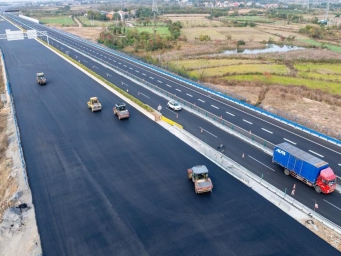
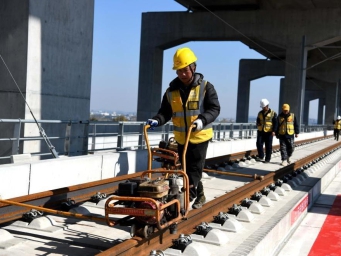
Infrastructure Development: Investing in roads, bridges, and communication networks has been crucial in connecting remote villages to larger markets, enabling better access to goods and services, and facilitating economic growth.
Education and Training: Improving educational opportunities is considered essential for breaking the cycle of poverty. The government provides scholarships, vocational training, and adult education to enhance skills and employability.
Industrial Parks and Economic Zones: Establishing industrial parks and economic zones can attract investment, create jobs, and diversify the local economy beyond traditional agriculture.
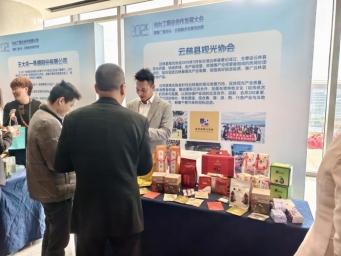
ECommerce: Encouraging the use of ecommerce platforms allows villagers to sell their products directly to consumers, both domestically and internationally, thereby increasing their income and market reach.
Social Security Systems: Expanding social security coverage ensures that even those who cannot work due to age or disability receive basic income support.
Healthcare Improvements: Better healthcare facilities and services reduce the burden of disease and improve overall wellbeing, which is vital for maintaining a productive workforce.
Financial Services: Providing access to microfinance and other financial services enables entrepreneurs and small business owners to secure loans and invest in their enterprises.
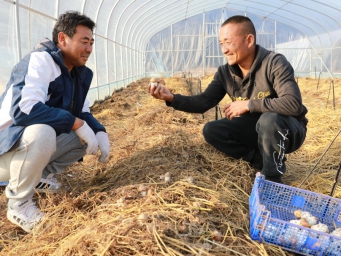
Land Reforms: Implementing land reform policies can increase productivity and provide farmers with more secure land tenure, encouraging longterm investment in agriculture.
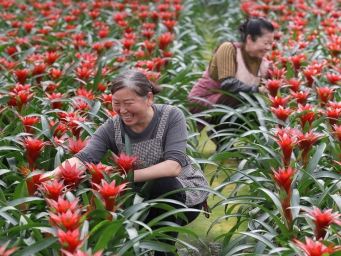
1 Environmental Conservation and Sustainable Development: Promoting sustainable farming practices and ecotourism helps preserve natural resources while creating new income sources for local communities.
1 PublicPrivate Partnerships (PPPs): Engaging private sector actors through PPPs can bring innovation, capital, and management expertise to poverty alleviation efforts.
These approaches are not isolated; they often intersect and reinforce one another, creating a comprehensive framework for reducing poverty and fostering sustainable development in rural China.
|
|
 |周边二手车|手机版|标签|xml|txt|新闻魔笔科技XinWen.MoBi - 海量语音新闻!
( 粤ICP备2024355322号-1|
|周边二手车|手机版|标签|xml|txt|新闻魔笔科技XinWen.MoBi - 海量语音新闻!
( 粤ICP备2024355322号-1| 粤公网安备44090202001230号 )|网站地图