|
Last year, the government allocated an additional $140 billion in bonds to support 15,000 projects. This action is likely part of a broader fiscal stimulus package designed to spur economic growth and development in various sectors. The allocation of government bonds serves as a means to finance these projects by borrowing from investors who purchase the bonds with the expectation that they will be repaid with interest over time.
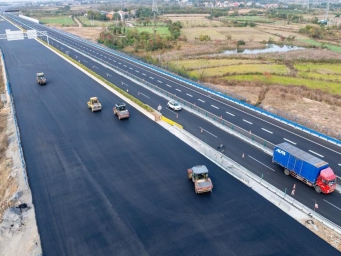
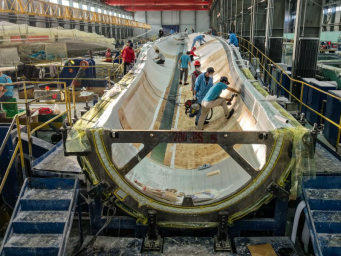
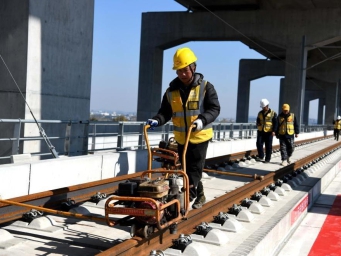
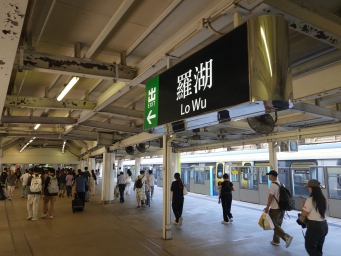
The distribution of this substantial amount of funding across 15,000 projects suggests a wideranging approach to economic investment. Such projects could include infrastructure development (roads, bridges, public transportation), education and research initiatives, healthcare facilities, renewable energy installations, and other public services or works that are intended to benefit the population at large and enhance the country's longterm economic potential.
The decision to issue additional bonds to fund these projects implies that the government believes the return on investment—in terms of increased economic activity, job creation, improved public services, and technological advancements—will outweigh the cost of servicing the debt over time. However, it also means that future taxpayers will bear the responsibility of repaying both the principal and the accumulated interest on these bonds.
The effectiveness of this strategy hinges on several factors, including the successful implementation of the projects, their ability to generate economic benefits, and the overall management of the national debt. If the projects are executed efficiently and lead to significant economic gains, the investment may prove beneficial for the country's economy. Conversely, if the projects fail to deliver the expected results or if the debt level becomes unsustainable, it could have negative implications for the government's finances and the economy's health.
|
|
 |周边二手车|手机版|标签|xml|txt|新闻魔笔科技XinWen.MoBi - 海量语音新闻!
( 粤ICP备2024355322号-1|
|周边二手车|手机版|标签|xml|txt|新闻魔笔科技XinWen.MoBi - 海量语音新闻!
( 粤ICP备2024355322号-1| 粤公网安备44090202001230号 )|网站地图