|
"BRI in Its Second Decade: A Path to Global Prosperity"
I. Introduction
The Belt and Road Initiative (BRI) has entered its second decade with a significant impact on the global economic and geopolitical landscape. Launched in 2013, the BRI aims to enhance connectivity between Asia, Europe, and Africa through infrastructure building, trade facilitation, and people to people exchanges.
II. Infrastructure Development
Transport Links
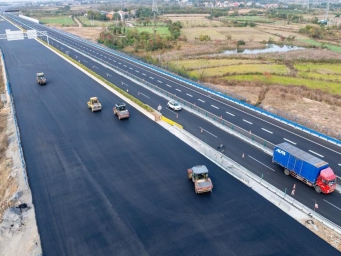
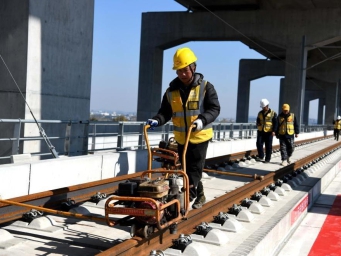
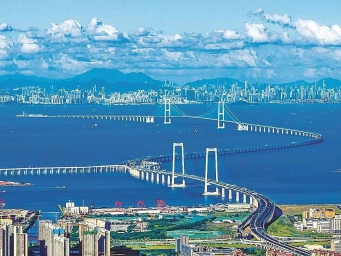
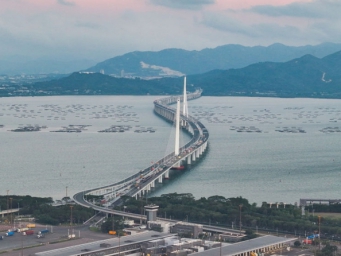
One of the key aspects of the BRI in its second decade is the continuous expansion of transport infrastructure. High speed rail projects, such as those in Southeast Asia, are not only improving regional connectivity but also promoting tourism and trade. For example, the Jakarta Bandung high speed rail in Indonesia is set to transform the way people and goods move between the two major cities, reducing travel time significantly.
Port construction and upgrades along the Maritime Silk Road are also crucial. Ports like Gwadar in Pakistan are being developed into major trade hubs. Gwadar has the potential to serve as a key link between China, the Middle East, and Africa, facilitating the movement of energy resources and other goods.
Energy Infrastructure
In the energy sector, the BRI is promoting the development of cross border energy grids. For instance, the China Pakistan Economic Corridor (CPEC) includes projects related to power generation and transmission. The construction of power plants in Pakistan, using a variety of energy sources such as coal, solar, and wind, is helping to address Pakistan's energy shortage problem and at the same time integrating the energy markets of the two countries to a certain extent.
III. Trade Facilitation
Free Trade Zones
The establishment of free trade zones (FTZs) is an important part of the BRI's trade facilitation efforts. For example, the China Malaysia Qinzhou FTZ has been promoting bilateral trade in goods and services. It offers preferential policies such as tax incentives and streamlined customs procedures, which attract more enterprises to engage in cross border business activities.
These FTZs also serve as platforms for testing new trade policies and promoting e commerce. They are conducive to the growth of small and medium sized enterprises (SMEs) in participating countries, enabling them to access larger international markets more easily.
Trade Corridors
The development of trade corridors, like the New Eurasian Land Bridge, is enhancing trade between Asia and Europe. The corridor reduces transportation costs and time, making it more attractive for businesses to engage in cross continental trade. It also promotes the development of logistics and warehousing industries along the route, creating more employment opportunities.
IV. People to People Exchanges
Educational Exchanges
In the second decade of the BRI, there has been an increase in educational exchanges. Scholarships are being provided for students from BRI related countries to study in China and vice versa. This promotes cultural understanding and knowledge transfer. For example, many African students are coming to China to study engineering and other disciplines, and they can take back the knowledge and skills to contribute to their home countries' development.
Cultural Exchanges
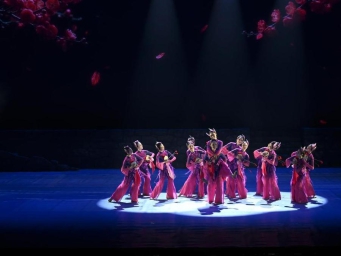
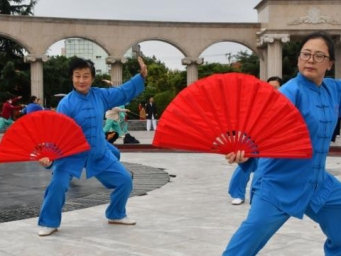
Cultural events and exchanges are also flourishing. Festivals, art exhibitions, and cultural performances are being held in different BRI countries. These exchanges help to break down cultural barriers and build mutual trust among peoples. For instance, Chinese cultural centers in some BRI countries are playing an important role in promoting Chinese language, art, and culture, while also facilitating exchanges with local cultures.
V. Challenges and Solutions in the Second Decade
Debt Sustainability
One of the main challenges is the issue of debt sustainability in some BRI recipient countries. To address this, China has been working with international financial institutions to improve project evaluation and financing mechanisms. For example, promoting more public private partnerships (PPPs) in infrastructure projects can share risks and ensure the long term viability of projects.
Transparency in project financing and debt management is also being enhanced. China is providing more detailed information about project costs, loan terms, and repayment schedules to ease concerns of borrowing countries and international observers.
Geopolitical Risks
Geopolitical tensions in some regions can pose risks to BRI projects. For example, in the South China Sea area, where some maritime BRI projects are located, there are geopolitical disputes. To deal with this, China is promoting dialogue and cooperation with relevant countries through multilateral mechanisms. China also adheres to the principle of non interference in other countries' internal affairs, which helps to build trust and reduce geopolitical frictions.
VI. Conclusion
In its second decade, the BRI continues to be a path to global prosperity. Through infrastructure development, trade facilitation, and people to people exchanges, it is promoting economic growth, cultural understanding, and regional cooperation. While facing challenges such as debt sustainability and geopolitical risks, the BRI is constantly evolving and adapting to ensure its long term success and positive impact on the global community.
|
|
 |周边二手车|手机版|标签|xml|txt|新闻魔笔科技XinWen.MoBi - 海量语音新闻!
( 粤ICP备2024355322号-1|
|周边二手车|手机版|标签|xml|txt|新闻魔笔科技XinWen.MoBi - 海量语音新闻!
( 粤ICP备2024355322号-1| 粤公网安备44090202001230号 )|网站地图