|
The unveiling of a new education development blueprint is of great significance. Here are some key aspects:
Policy goals and orientations
Equity in education
It often aims to ensure that all students, regardless of their socioeconomic background, geographical location, or other factors, have equal access to high quality educational resources. For example, by promoting the balanced development of schools in different regions, reducing the gap between urban and rural education.
Special attention may be paid to underprivileged groups, such as students from low income families, ethnic minorities, and those with disabilities, providing them with targeted support and educational opportunities.
Quality improvement
Focus on enhancing the overall quality of education at all levels. In primary and secondary education, this may involve improving teaching methods, updating curricula to better meet the needs of the 21st century skills (such as critical thinking, creativity, communication, and collaboration), and strengthening teacher training.
In higher education, it could mean promoting research excellence, international cooperation, and the cultivation of high level innovative talents, improving the global competitiveness of universities.
Curriculum and teaching reform
Integrated curricula
The new blueprint may advocate for more integrated curricula that break down the traditional disciplinary boundaries. For instance, in science education, combining elements of physics, chemistry, and biology to offer more comprehensive and real world relevant learning experiences.
In the humanities, integrating history, literature, and art to cultivate students' cross cultural understanding and aesthetic appreciation.
Technology enhanced teaching
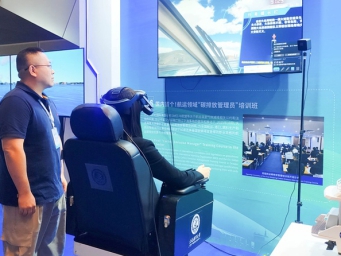
Given the rapid development of digital technology, the blueprint is likely to encourage the use of educational technology in teaching. This includes the application of online learning platforms, virtual reality (VR), and artificial intelligence assisted teaching tools.
For example, AI driven personalized learning systems can analyze students' learning progress and preferences to provide customized learning paths and feedback, making teaching more efficient and effective.
Teacher development
Professional development
Emphasize the continuous professional development of teachers. This may involve providing more training opportunities, such as in service training, advanced degree programs, and international exchange programs for teachers.
Encourage teachers to master new teaching technologies and methods, and update their educational concepts to adapt to the changing educational environment.
Teacher recruitment and retention
Set out strategies for attracting high quality individuals into the teaching profession. This could include improving teachers' salaries and benefits, and enhancing the social status of teachers.
At the same time, focus on retaining experienced and excellent teachers, creating a good working environment and career development space for them.
Educational evaluation system
Diversified evaluation
Move away from the over reliance on a single exam based evaluation method. Instead, promote a more diversified evaluation system that takes into account students' comprehensive performance, including their daily study progress, practical ability, and innovation spirit.
For example, in addition to written exams, use project based assessments, oral presentations, and portfolio evaluations to more comprehensively measure students' learning outcomes.
Quality monitoring
Establish a scientific and comprehensive educational quality monitoring system to regularly assess the implementation effect of educational policies and the quality of teaching in schools. This helps to timely adjust and improve educational practices to ensure that educational goals are achieved.
|
|
 |周边二手车|手机版|标签|xml|txt|新闻魔笔科技XinWen.MoBi - 海量语音新闻!
( 粤ICP备2024355322号-1|
|周边二手车|手机版|标签|xml|txt|新闻魔笔科技XinWen.MoBi - 海量语音新闻!
( 粤ICP备2024355322号-1| 粤公网安备44090202001230号 )|网站地图